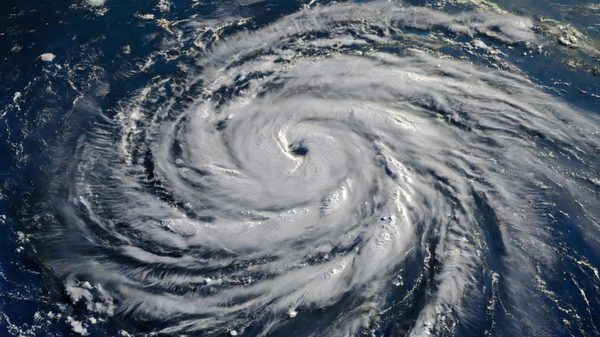
The Atlantic hurricane season officially runs from June 1 to November 30. October ends, the holidays start to crowd the calendar, and a lot of households quietly treat the season as finished a month early. The National Hurricane Center’s own climatology does not support that. November is the tail of the season, not the end of the risk.
This piece is about the practical side: what late-season activity actually looks like, and how to re-arm a kit that has been drawn down, borrowed from, or forgotten since June.
What the calendar does and does not say
November is quieter than August through October, and that matters. NHC climatology shows that after October, additional hurricanes become increasingly rare, and Fox Weather, citing NOAA data for 1950 through 2021, reports that one named storm typically forms in the Atlantic every other November and a hurricane roughly every three years. Of the 34 named storms that formed in November over that period, 21 became hurricanes.
Those numbers describe a low frequency, not a zero one. Most November activity develops in the western Caribbean, with secondary activity in the Gulf of Mexico, the waters off the southeastern U.S. coast, and the central Atlantic east of Bermuda.
Recent examples show what a late storm can look like:
- Hurricane Kate (1985) made landfall on November 21 near Mexico Beach, Florida, as a Category 2 hurricane, the latest-in-season landfalling U.S. hurricane on record.
- Hurricane Otto (2016) made landfall near southern Nicaragua on November 24, the latest-in-season landfalling Atlantic hurricane on record.
- Hurricanes Eta and Iota (2020) struck the same part of Central America within about two weeks of each other in November. Iota made landfall in Nicaragua as a Category 4 hurricane, and the storms together caused catastrophic damage.
- Hurricane Rafael (2024) made landfall in Cuba as a Category 3 hurricane in early November, after knocking out the island’s power grid.
None of those is a typical U.S. landfall, and the point is not to predict one. It is that “the season is basically over” is a statement about averages, and a kit is for the exception.
A quiet year changes the odds, not the plan
The 2026 season has been unusually inactive. At the end of September, the season’s eight named storms had all stayed at tropical storm strength, with a very strong El Niño suppressing Atlantic development through wind shear. NOAA’s August update forecast 7 to 13 named storms, 2 to 6 hurricanes, and 0 to 2 major hurricanes, and gave less than a 5% chance of an above-normal season. Our July piece on the below-normal outlook explains why a forecast number does not change household preparation.
A quiet stretch tends to draw supplies down without replacing them. You used the flashlight batteries in a summer thunderstorm, the water went into a camping trip, and the cash envelope paid for something else. A quiet season does not protect the contents of the kit. It only means the kit has not been tested.
Re-arming a drawn-down kit
Treat this as a one-hour inventory, not a shopping spree. Work through the categories in order of how hard each is to replace in a hurry.
Water
Check the count against a gallon per person per day for at least three days, and more for pets. Look at the dates on commercially bottled water, and inspect any containers you filled yourself. If they are more than six months old or cloudy, empty and refill them. Our water storage and purification guide covers containers and treatment.
Food and medications
Check expiration dates and rotate anything within a few months of its date into regular use, then buy replacements. Count prescription medications, and refill any that are down to a week’s supply, since pharmacies can close for days after a storm. Our canned food rotation guide explains which dates matter.
Power and light
Test every flashlight and lantern, and replace batteries. Recharge power banks, which lose charge in storage. Confirm the radio works and is tuned to NOAA Weather Radio, per our NOAA weather radio guide. If you use a generator, run it, check the fuel, and review generator and carbon monoxide safety before the next outage.
Documents, cash, and the car
Confirm your insurance policy copies are current and that your go-file reflects any change since spring: a new phone number, a new policy, a new medication. Keep small bills on hand. Top off the gas tank when a storm is first named rather than when a warning is issued.
The plan itself
Re-read your evacuation route and meeting points, and confirm your out-of-area contact still works. Our staged hurricane preparation guide sorts tasks by watch and warning, and is a useful reference when a storm does form.
Watch the right sources
The habit of checking tends to lapse before the season does. The National Hurricane Center’s Tropical Weather Outlook runs through the end of the season, and your local National Weather Service office continues to issue advisories. Keep the same alert channels active: a weather radio, phone alerts from your county, and one trusted local forecaster.
Close out the season on purpose
Put November 30 on the calendar as a finish line, not the moment you stop paying attention. Between now and then, spend one hour on the inventory above, replace what is low, and note the date. When the season ends on the 30th, you will have a kit that is full, dated, and ready for winter weather too, because most of the same supplies cover both.